
Blog by Dr. Beate Althammer, 15 September 2026
Supported by a COST Dissemination Conference Grant, I recently journeyed to the European Association for Urban History Conference, which took place this year in Barcelona (Spain) from 2-5 September. The EAUH Conference is a large biannual academic event held in alternating European cities attended mostly by historians, but also by geographers, social scientists, anthropologists, urban planners, legal scholars, etc., and it hence offers great opportunities to establish and renew contacts with researchers from across the continent and across disciplines.
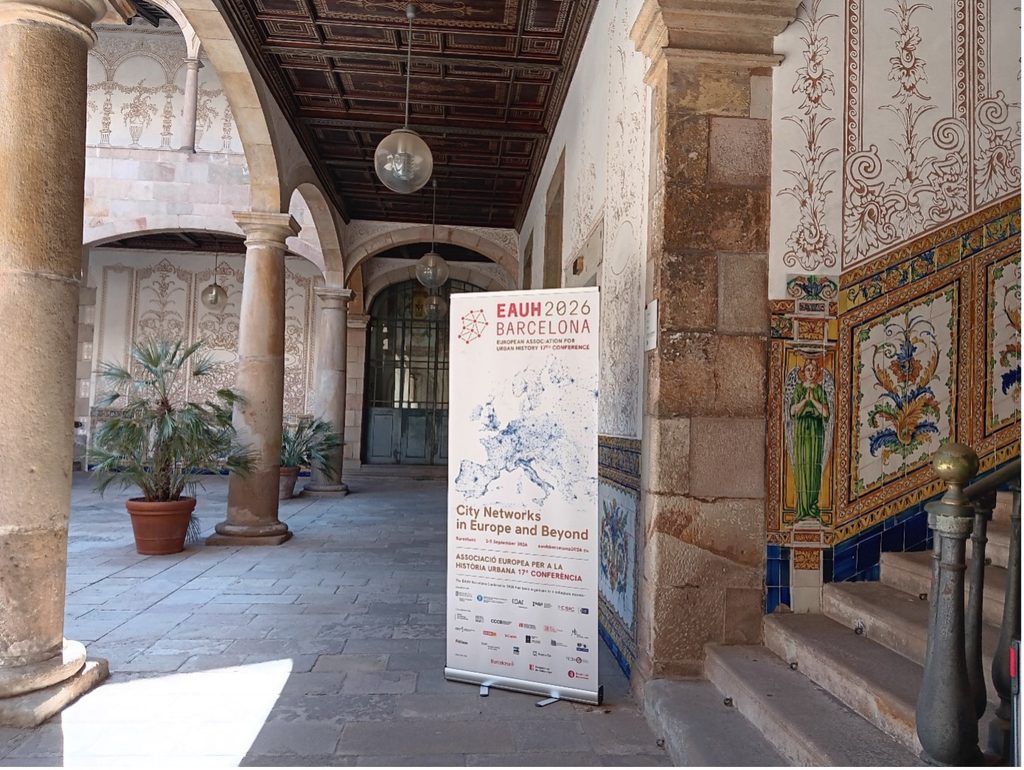
Photo 1: One of the conference venues, a historic building formerly part of the Casa de la Caritat in Barcelona’s Ciutat Vella.
The overarching theme of the 2026 Conference was “City Networks in Europe and Beyond”, and I contributed to a session on “Urbanities of Belonging: Emigres from East Central Europe in Nineteenth- and Twentieth-Century Cities”. The session, organised by Markian Prokopovych (Durham University) and Katalin Straner (York St John University) brought together six presentations, which, from differing angles and in various settings, discussed East-Central-European migrants’ strategies of integration into host societies as well as their lasting attachment to the homeland, and how they accommodated their ambivalent feelings of belonging. It was a very coherent and lively session well received by the audience.
My presentation, titled “Navigating administrative rejection and social integration: ‘foreign Polish workers’ in Prussian cities before the First World War”, dealt with a specific aspect of late-nineteenth-century migration history. In this period, masses of working-class people from the territories of partitioned Poland moved westward, both across the Atlantic and to West-European countries, in search of a better livelihood. Generally, the decades around 1900 were an era of liberal migration policies, which facilitated this great population movement. Prussia, however, deviated from current liberal doctrines in a peculiar way: from 1890 on, the Prussian state government tried to prevent the permanent immigration and industrial employment of “foreign Polish workers”, allowing only their temporary access to Prussia as seasonal agricultural labourers. Such a drastic curtailment of individual freedom was, of course, out of the question regarding Polish-speakers from the eastern Prussian provinces who possessed Prussian citizenship: it targeted only “foreign” Poles originating from the neighbouring Russian and Habsburg Empires. Hence, Prussia’s migration policy tried to enforce a discrimination grounded in the intersection of two differentiations: by citizenship (Prussian-German vs. foreign citizens), and by ethnolinguistic nationality (“Non-Poles” vs. “Poles”). However, no law existed that formally declared this discrimination. Local authorities just had semi-confidential instructions to reject and, if necessary, expel “foreign Poles” who attempted to settle and find work off limits.
Against this backdrop, my presentation turned to the so-far understudied local level, asking how local authorities understood and implemented the orders from Berlin. From the local perspective, it was not always evident who should be regarded as a “foreign Pole”, nor why these should be summarily banned. Negligence and diverging interpretations of the government instructions often led to situations where migrants had lived for years in a place before local authorities realised that their stay should not have been tolerated. When confronted with the threat of expulsion, migrants (and employers) tended to protest, which in turn prompted the authorities to reconsider the matter. My presentation specifically zoomed in on the negotiations that arose in 1905 about several hundred working-class families from Suwałki Governorate, the northern tip of Russian Poland, who had settled in the cities of Essen and Elberfeld (Düsseldorf district). Were these people to be classified as “national Poles” and hence as not allowed to stay and work in industry? Motivated by this question, the authorities started investigations into their exact origin, mother tongue and language skills, religion, marriage behaviour, child education, political attitudes, interaction with native colleagues, etc. This material, which includes petitions from and interviews with the migrants, offers fascinating insights into the ways East-Central-European working-class “emigres”, who were mostly illiterate and whose voices were otherwise rarely recorded, described their social networks and sense of belonging in-between birth region, ethnolinguistic migrant community, and local German society.
Although neither the session nor my contribution centred primarily on the history of identity documents in the strict sense of the word, they nevertheless explored the multidimensional aspects, difficulties and contingencies of identification – understood as determining individual “identity” in relation to citizenship, linguistic background and cultural orientation. My presentation especially addressed the complex issue of how bureaucratic procedures of identification have historically intertwined with the construction of ethnic categories and ethnic discrimination. It highlighted how the involved parties struggled with the question of whether all migrants originating from Russian Poland were to be regarded as “Poles” or not. This question was not answerable by reading paper documents alone (which just showed the bearers to be Russian citizens), but required a closer assessment of personal identity based on spoken languages, beliefs and comportment.
Besides participating in our own panel, I attended several other inspiring sessions during the three-day conference. And apart from the timeslots dedicated to sessions running in parallel, the organisers had prepared a rich accompanying programme consisting of keynote lectures, receptions and city tours. After the end of the official part of the conference on Friday evening, further city tours and excursions to the Catalan hinterland were on offer at the weekend. On Sunday, I joined an excursion to the industrial colonies, i.e. textile factories with adjoining company housing, which entrepreneurs had erected along the Ter River in the late nineteenth century, and to the city of Vic. Exhausted by the summerly heat, but happy about a wealth of new impressions, I departed from Barcelona back to Berlin on Monday, 7 September.
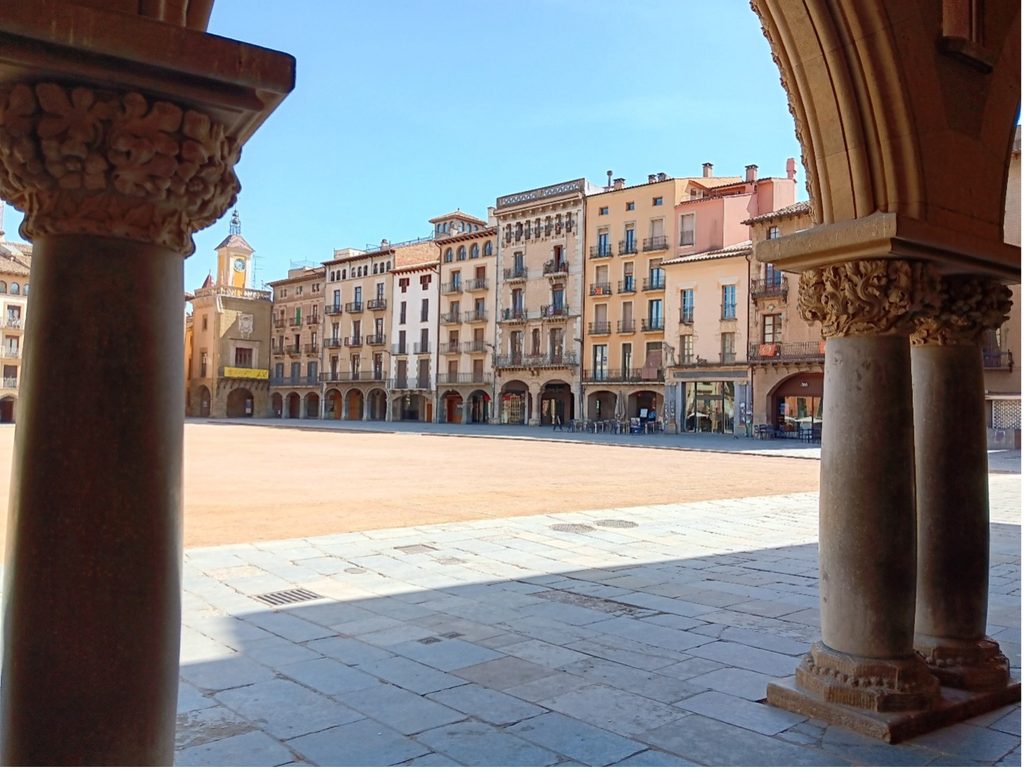
Photo 2: Excursion to Vic, capital of the Catalan comarca of Osona.
